



China’s Pump Industry: The Industrial Heart of Modern Manufacturing
Often known as the “heart of industry”, pumps are critical general machinery that transport liquids across nearly every economic sector. China has grown into the world’s largest pump producer, consumer and exporter, with a complete industrial chain covering R&D, casting, component manufacturing, assembly and after-sales service. Driven by infrastructure investment, carbon neutrality goals, new energy expansion and global trade demand, China’s pump sector is undergoing a profound transformation from low-cost mass production to high-efficiency, intelligent and high-value manufacturing.
The domestic pump market serves a wide spectrum of downstream industries. Municipal water supply, sewage treatment, flood control and water conservancy projects form a stable foundation of demand. Petrochemical, power generation, mining and metallurgy rely heavily on heavy-duty process pumps, slurry pumps and high-pressure pumps. Fast-growing new tracks are reshaping the market structure: pumps for energy storage liquid cooling, data center cooling, hydrogen production, solar thermal molten salt circulation and nuclear power are becoming key growth drivers. Agricultural irrigation, food processing, pharmaceutical production and seawater desalination also create steady demand for corrosion-resistant, hygienic and custom pumping solutions.
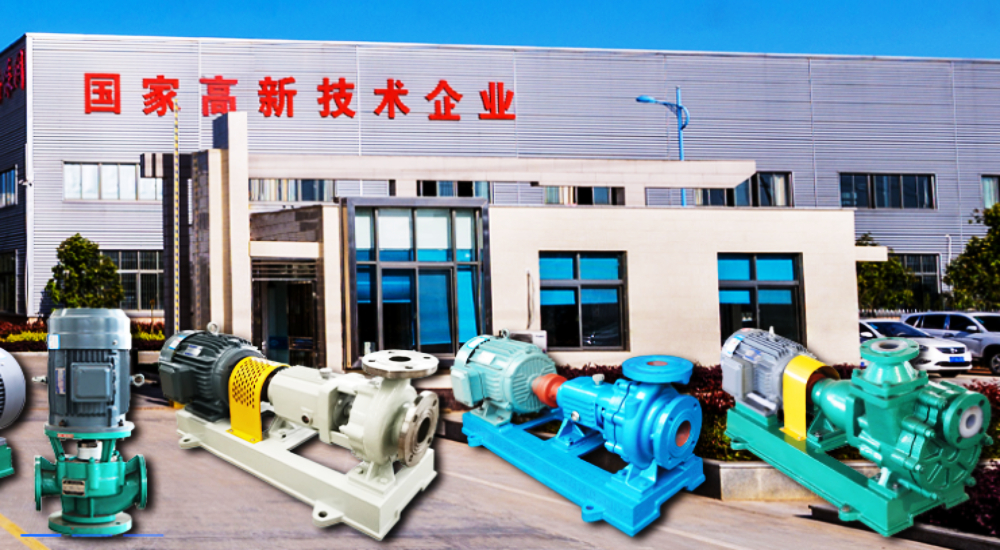
China’s pump industry features a large, fragmented base. Thousands of manufacturers operate across the country. Most are small and medium-sized enterprises focusing on standard, general-purpose pumps, while a group of leading domestic brands have invested heavily in advanced materials, hydraulic design, sealing technology and intelligent control. For years, high-end special pumps working under extreme conditions, such as nuclear main pumps, ultra-high-purity pumps for semiconductors and special chemical process pumps, depended heavily on imports. Today, localisation is accelerating. Domestic R&D teams are breaking technical bottlenecks, and more high-spec pumps are replacing imported equipment in key national projects, lifting the share of high-value products in both domestic sales and export portfolios.
Exports are a major pillar of the Chinese pump business. China ranks top globally by pump export volume, with products shipped to Southeast Asia, the Middle East, Latin America, Africa and Europe. Under the Belt and Road Initiative, Chinese pump suppliers support overseas water projects, power plants and industrial parks. The export mix is shifting: instead of only low-priced household water pumps and simple submersible pumps, more custom industrial pumps, intelligent pump sets and packaged pumping systems are sold internationally. Meanwhile, overseas buyers raise standards on energy efficiency, noise, material safety and certification, pushing Chinese factories to upgrade testing labs and comply with international norms such as ISO and CE.
Energy efficiency and green manufacturing are now central policy and market requirements. Pumps consume a huge share of industrial electricity. China has rolled out stricter energy efficiency standards and replacement programmes to phase out inefficient old pumps. Manufacturers are optimising hydraulic models, adopting high-efficiency motors and variable frequency control systems. Intelligent pump systems integrated with sensors, cloud monitoring and predictive maintenance functions are gaining popularity. These smart pumps can track flow, pressure, vibration and temperature in real time, reduce unexpected downtime and cut total energy consumption for end users, aligning with the country’s dual-carbon strategy.
Nevertheless, the industry still faces clear challenges. Overcapacity and fierce price competition in the mid-to-low-end segment squeeze profit margins. Many smaller factories lack independent design capability and rely on copycat products. Core components such as high-performance mechanical seals and special alloy parts still need further improvement. Brand influence in the global high-end market is weaker than established European and American pump giants. Supply chain volatility, raw material price swings and rising international trade barriers also add uncertainty to export businesses.
Looking ahead, China’s pump industry will continue to consolidate. Mergers and acquisitions will raise market concentration, eliminating backward capacity. Three major directions will define future growth: energy-saving and green pump technology, intelligent and digital pumping systems, and specialised high-end pumps for new energy, nuclear, marine engineering and semiconductor sectors. Chinese pump enterprises will move from selling standalone products to delivering full-system solutions, including engineering design, operation management and lifecycle maintenance.
As global infrastructure and clean energy investment keep expanding, China’s pump manufacturers are well positioned to compete on the world stage. With solid manufacturing capacity, improving innovation capability and growing service awareness, the sector is evolving from a global pump factory into a reliable global supplier of advanced pumping technology and solutions.


